I Didn’t Work This Hard to Get Old
I recently watched the first episode of the new mini-series, The Madison, and found myself ruminating over a comment by the character played by Kurt Russell. He spoke of being on a luxury vacation, surrounded by people who had clearly worked their entire lives to be there… and yet, they couldn’t truly enjoy it. Their bodies were feeble, their energy and mobility as lost as their youth.
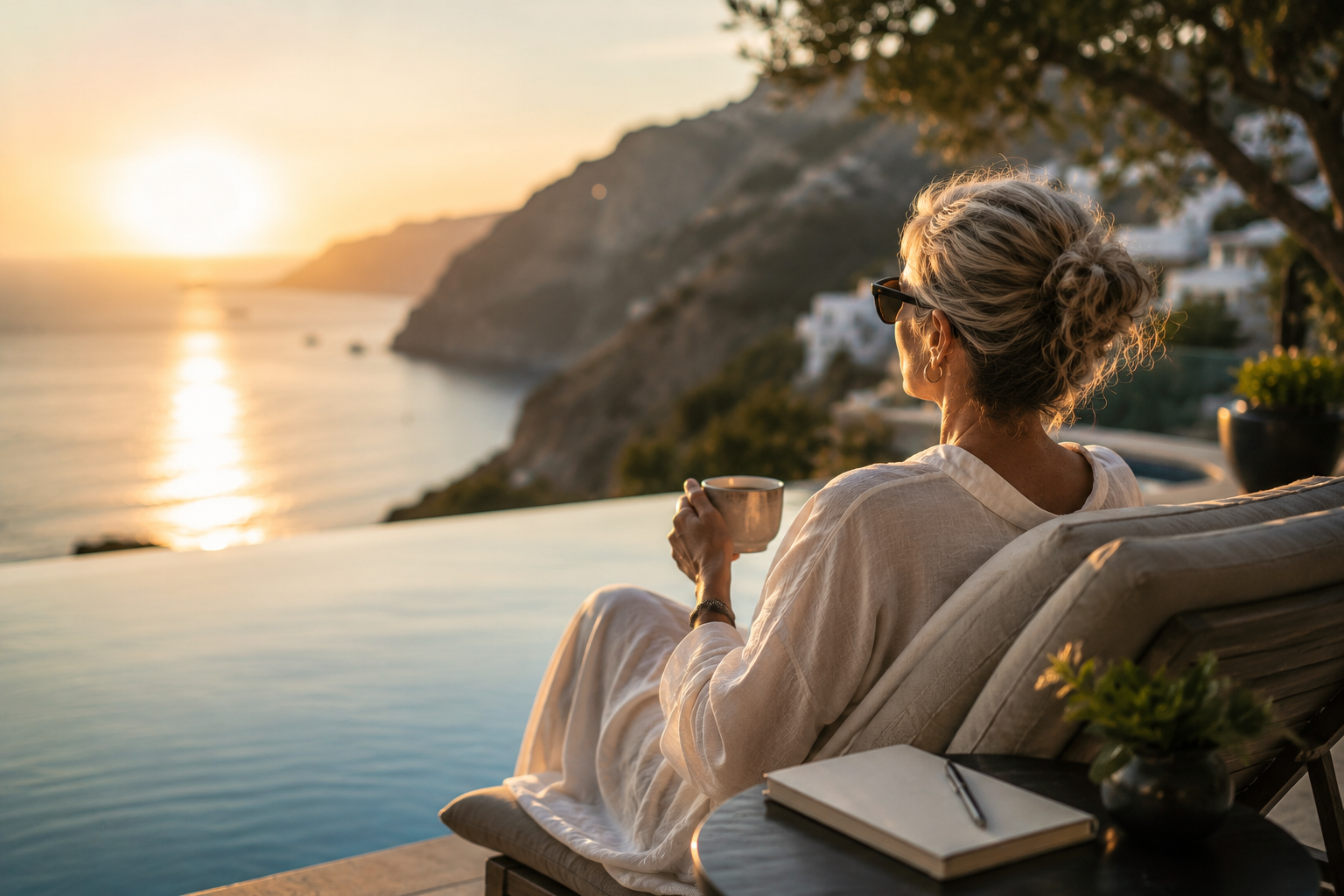
They had finally arrived. But they couldn’t live the dream they had worked so hard to build.
As I’m about to see my 60s in the rearview mirror, this image hit home because, like so many of us, I didn’t make my money early in life. I built it over time. Decades of work, reinvention, risk, too many airline miles and too little sleep.
And it raises a question that feels almost impolite to ask:
What if we finally earn the life we want… just as our ability to enjoy it begins to decline?
For me, that’s a non-starter. Because at the end of the day (or the career), longevity alone isn’t the goal. The beauty of happiness is. And that starts with health span.
I don’t want to look and feel my chronological age. I want to defy it. That’s the real wealth.
The Silent Threat: Looking Successful, Feeling Depleted
I’m concerned with a disconnect I’m seeing among my peers, especially high-achieving women in midlife. On the outside, everything signals success: career, financial security, beautiful homes, travel, designer handbags.
But underneath? Fatigue that no amount of sleep seems to fix. A body that feels less responsive, less strong. Skin that looks different, not just older, but less radiant, more reactive, less resilient. It’s not about vanity. It’s a fading of the energetic edge.
When biology starts working against you, everything becomes harder. And without intentional intervention, the sad reality is that the life you work so hard to build can become existence over experience.
The good news for me is that my career was built in the beauty and wellness space. I used to quip that it was in my job description to look younger than my years.
The good news for my Millennial and GenX friends? Science has brought us so far ahead with greater understanding of what it takes to look and live younger than our years. Or rather, to live our best year every year.
The Evolving Longevity Toolkit
I admit, I’m above average when it comes to obsessiveness about wellness and longevity. I cold plunge, practice intermittent fasting, and invest a chunk of my hard-earned wealth into concierge doctors and access to bleeding edge longevity clinical research. But I know that is not practical for most people as it wasn’t for me two decades ago.

That’s why my post-retirement passion projects are connected to making the practical applications of the rapidly advancing science accessible to all who are willing to make the commitment to living well – consistently.
The most effective longevity strategies today are surprisingly grounded. They’re less about intensity and more about intention. They’re about the things you’ll actually DO!
1. Protein as a Foundation, Not a Trend
For women especially, maintaining skeletal muscle is non-negotiable. It’s directly tied to metabolic health, hormonal balance, and even cognitive resilience.
I learned how to get 100 grams of protein a day into my diet when I was undergoing reconstructive surgery for breast cancer at age 61. Ironically, I truly believe I am healthier today because of what I learned from that scary, literal bump in the road.
Less than 10 years ago, the general recommendation was nowhere near that amount of protein consumption for a healthy woman of my size (and who is not a competitive body builder). Now it is. And it’s not about bulking. It’s about preserving the very tissue that keeps you strong, capable, and metabolically active.
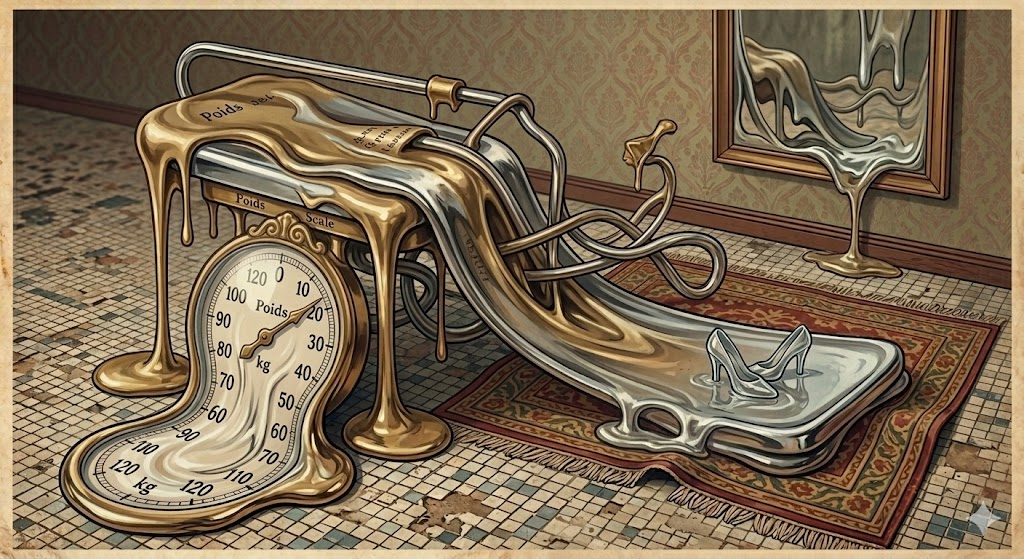
Today I can proudly boast that with a combination of daily protein intake and commitment to regular resistance and cardiovascular exercise, my home body composition scale scores my “body age” at 44.

2. An Anti-Inflammatory Lifestyle (Not a Diet)
Have you heard the term, inflammaging? Inflammation is the throughline of aging—internally and externally.
It shows up as brain fog, joint stiffness, skin aging, low energy. Supplements help, but only if you combine them with the necessary lifestyle levers of healthy eating, sleep, stress management and movement.
We’ve moved beyond just avoiding toxins and clean eating and self-care to consistent, anti-inflammatory living.
3. Nervous System Regulation Is the New Skincare

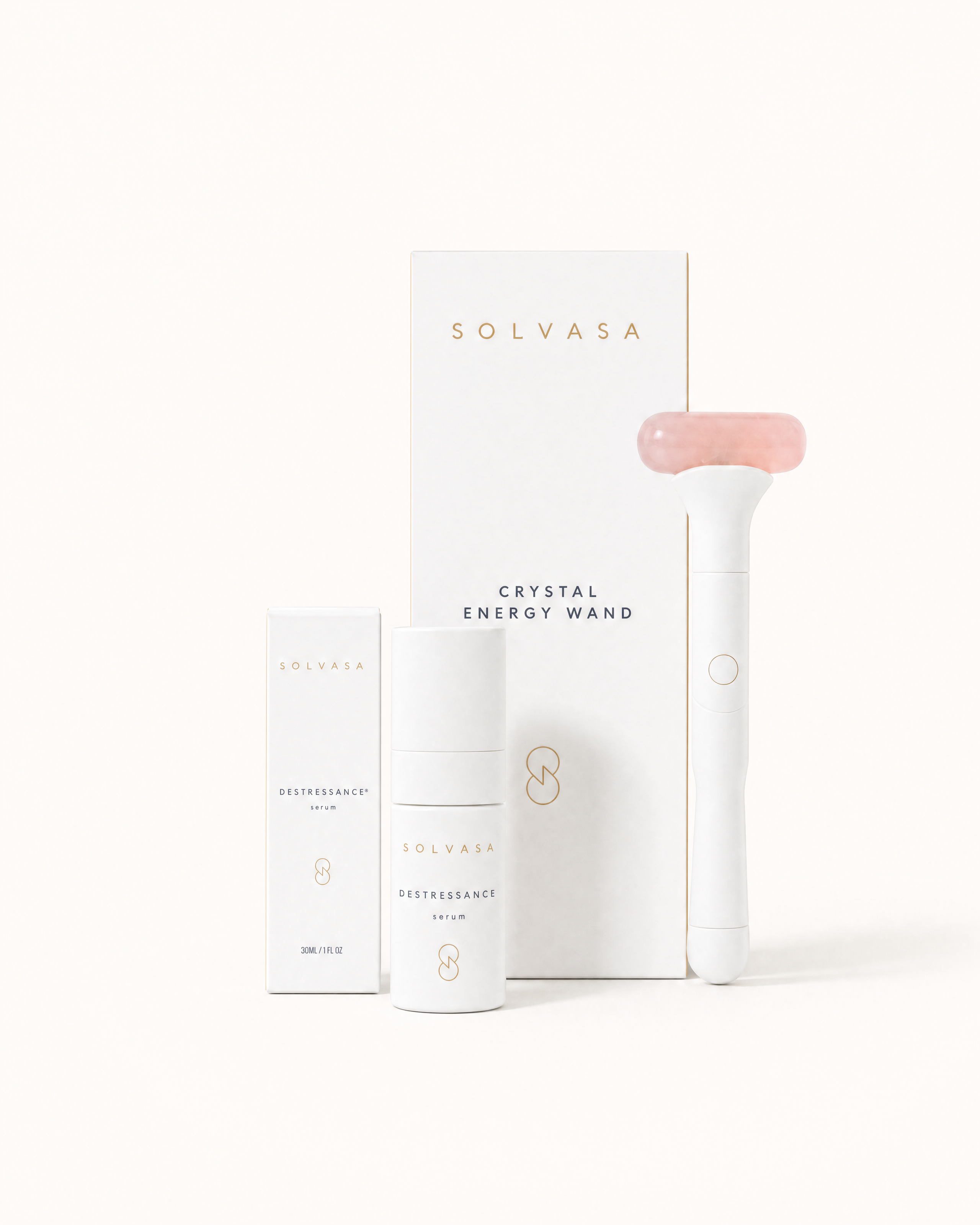
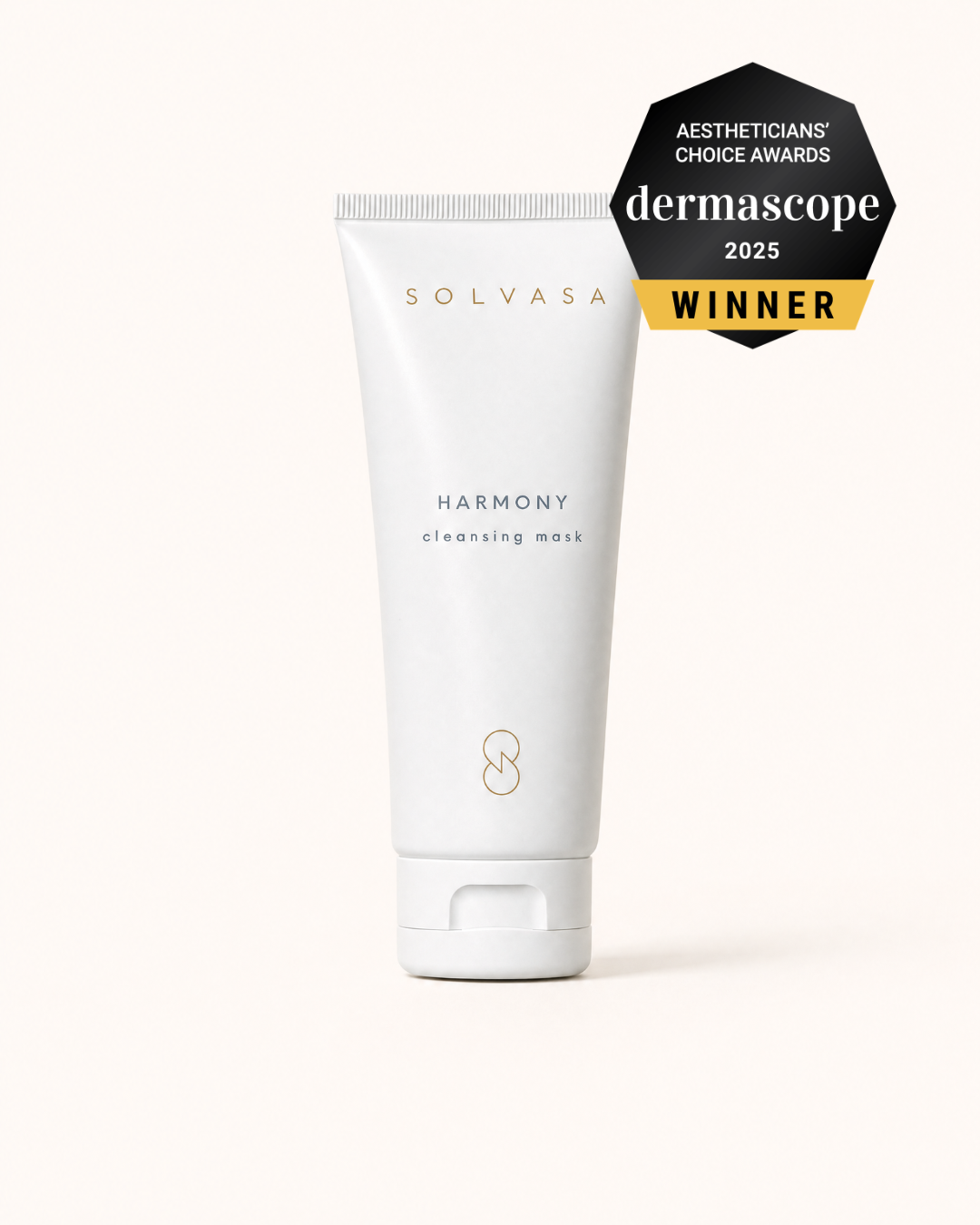
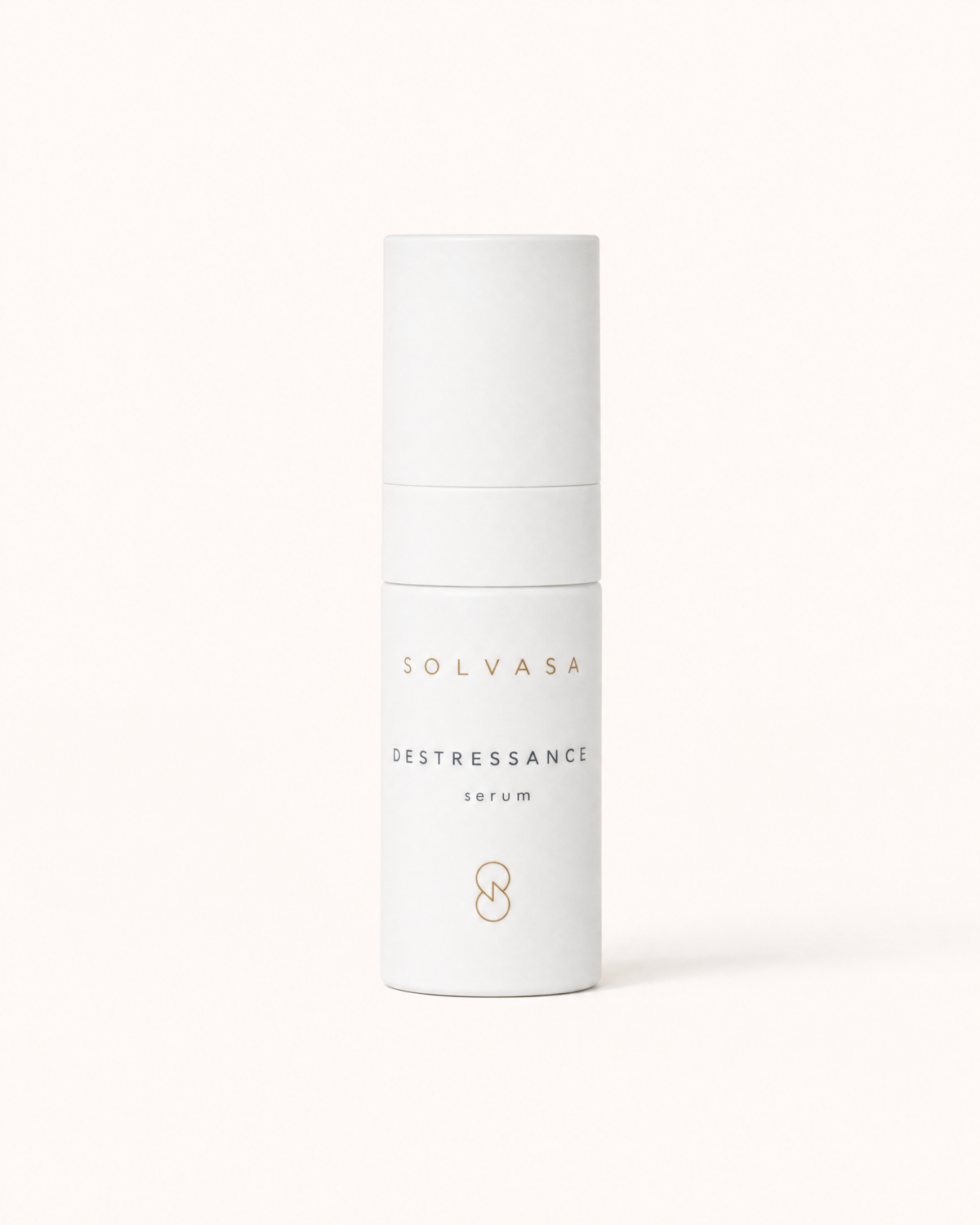
This is where I’ve left “dermatology developed skincare” behind and, along with my Solvasa business partner, celebrated Beverly Hills Plastic Surgeon, Dr. Ritu Chopra, launched the concept of integrative beauty.
We’re finally understanding that chronic stress doesn’t just impact how we feel—it impacts how we age.
Elevated cortisol, poor sleep, constant stimulation… these aren’t just lifestyle issues. They’re biological accelerants of aging.
And this is where daily rituals matter. Not as indulgence, but as intervention. Moments that shift that brain out of constant alarm mode to allow for repair, regeneration, and resilience.
Beauty as a Biomarker of Health
I’ve said this for years, and I believe it more now than ever:
Your skin is a biological advertisement for what’s happening inside your body.
We’ve been conditioned to treat beauty as something to fix from the outside. Leading dermatologists have not only treated the skin as a distinct organ rather than part of the body’s brilliantly complex and interconnected system, but have even compartmentalized the skin into small subsections to treat the symptoms, rather than the biological underpinnings, of various skin conditions.
But now, science and experience not only tell, but prove a different story. Skin that looks inflamed often is inflamed. Loss of elasticity often reflects deeper structural changes in collagen and cellular turnover. Dullness can be a signal of metabolic or circulatory inefficiency.
In other words, what we see is not superficial. It’s our biology waving a big, red flag.
This is the idea of Integrative Beauty, an idea that, when first introduced, was a few years ahead of its time, but it’s where beauty is headed today and into the future. It shifts the question from “How do I make my skin look better?” to “How do I become healthier and allow my skin to reflect that?”
It’s a fundamentally different approach; one that integrates nutrition for cellular health with topical care that works with the skin, not against it, and rituals that calm the nervous system and reduce inflammatory signaling.
I often talk about concepts like skintermittent fasting—giving the skin a break from constant stimulation—and neurocosmetic rituals, where the act of care itself becomes part of the biology of healing.
Beauty isn’t just what you apply, inject, or laser away, it’s what your body is able to restore and express.
The Emotional Truth We Don’t Talk About
All up, all in, this isn’t really about protein, or inflammation, or even skin.
It’s about something much more human. We want to enjoy our lives.
We want to travel, to explore, to connect. To feel present in the moments we worked so hard to create. To have the energy to sign up and show up. To feel beautiful in our bodies and in our skin—not because of perfection, but because of well-being.
And most importantly, we don’t want to experience our lives from the sidelines.
What I’ve come to understand is this: longevity without connection is empty. Health without joy is incomplete.
The relationships we build, the communities we nurture, the moments of shared experience—these are not just nice to have elements of a well-lived life. They are the point.
Human connection is one of the most powerful, and most overlooked, drivers of longevity and happiness. It regulates our biology, supports our mental health, and gives meaning to the extra years we’re working so hard to create.
Earned Longevity

For those of us who built our lives with earned success – rather than inheriting it – there’s a deeper layer to all of this. We didn’t just work for financial freedom. We worked for the ability to live well.
I think of it as earned longevity and return on wellness. Because ultimately longevity and wellness are the means, not the goal. Happiness is.
Luxury longevity can’t wait for financial wealth; it’s a long-term investment along the way. And it’s not defined by what you own, but by how fully you are able to experience your life. Because the real luxury isn’t time. It’s youthfulness of body, clarity of mind, and richness of connection—sustained long enough to enjoy everything you’ve built.
Take that to the bank.